
Guide for Buyers
Buying on the Garden Route: towns, risks and the buying process
A Buyer’s guide to the Garden Route: choosing a town, fire and flood risk, estates and levies, and the steps from offer to transfer in South Africa.
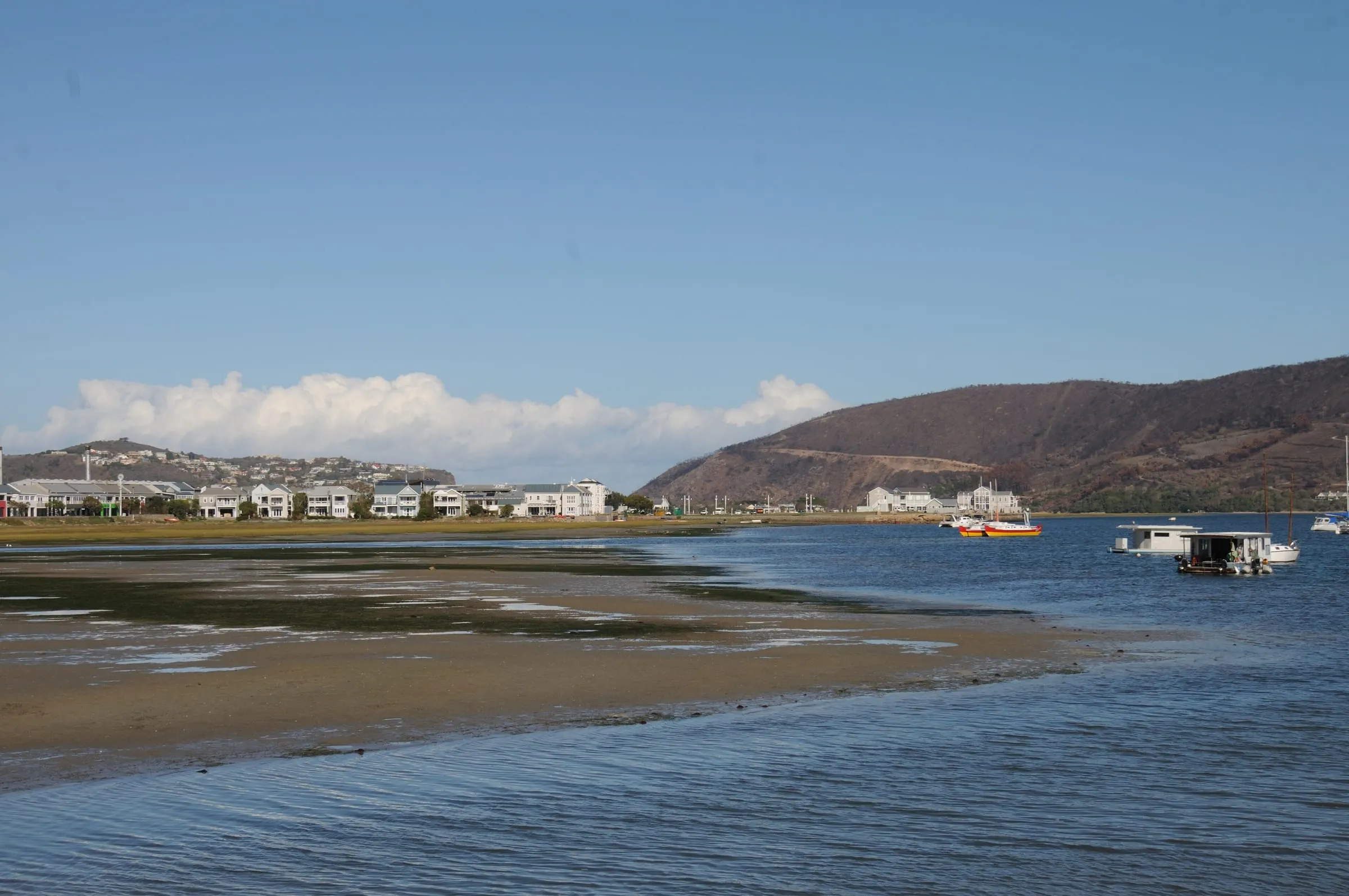
The Garden Route draws Buyers from Gauteng, Cape Town and overseas, and it is easy to see why: beaches, lakes, forests and mountains within a short drive of each other, with a regional hub and an airport in George. But the towns are very different from one another, and buying property in South Africa has its own steps and costs. This guide covers what I talk through with Buyers before they make an offer.
Choosing a town
George: the hub
George is the Garden Route’s main centre. It has George Airport, with scheduled flights to Cape Town and Johannesburg, George Hospital and Mediclinic George, a wide choice of schools including Hoërskool Outeniqua and York High School, and the Nelson Mandela University George Campus. For families and Buyers who want services close by, it is usually the first stop. Property ranges from suburban homes and security estates to smallholdings under the Outeniqua Mountains.
The coastal towns
- Wilderness, about 16 km from George, sits between the beach, the lakes and the Garden Route National Park. Hoekwil on the plateau above offers smallholdings.
- Mossel Bay, about 50 km west of George, offers homes near the Point and in Dana Bay, holiday homes in Hartenbos and Great Brak River, and golf-estate living at Pinnacle Point.
- Knysna, about 60 km east of George, is built around its lagoon and the Heads, with homes on Thesen Islands and Leisure Isle and estates such as Pezula.
- Sedgefield, between Wilderness and Knysna beside Swartvlei and Groenvlei, became Africa’s first Cittaslow town in 2010 and keeps a relaxed small-town pace.
Inland: Oudtshoorn
Over the Outeniqua Pass, about 60 km from George, Oudtshoorn is the largest town in the Klein Karoo. It is drier, hotter in summer and colder in winter than the coast, with historic feather-boom houses, town homes, smallholdings and working farms.
My Garden Route page has more on each town.
Fire, flood and coastal considerations
The Garden Route’s natural beauty comes with natural risks, and a careful Buyer looks at them before falling in love with a view.
Wildfire
The region’s fynbos, plantations and forest burn. The June 2017 fires around Knysna and Plettenberg Bay destroyed hundreds of homes and are a reminder of how quickly fire can spread in strong winds. When viewing, especially on a smallholding or an estate bordering vegetation, look at:
- how close the house is to plantations, fynbos or thick bush;
- whether there is a cleared firebreak around the buildings;
- roof type, since thatch carries higher fire risk and can affect insurance;
- road access for fire vehicles and more than one way out;
- whether the estate or area has an active fire-management plan.
Speak to your insurer early. Cover and premiums can depend on these factors.
Flood and coastal risk
Heavy rainfall events have caused flooding in parts of the Garden Route, and low-lying homes near rivers, lakes and estuaries can be affected. Coastal properties face erosion and storm surge in places. Ask the Seller about past flooding or water damage, look for signs of damp, check the property’s position relative to the river, lake or high-water mark, and ask the municipality whether any coastal or flood restrictions apply to future building.
Estates, levies and rules
Security estates, golf estates and eco-estates are popular across the Garden Route, especially in George, Mossel Bay and Knysna. Before you buy in one:
- Ask for the current levy and what it covers, and whether any special levies are planned.
- Read the conduct rules, which may cover pets, letting, holiday rentals, noise and visitors.
- Read the architectural and building guidelines if you plan to alter or build. Many estates require plan approval by the estate before the municipality.
- Check for building deadlines on vacant stands, where an estate requires you to build within a set time.
The homeowners’ association (HOA) or body corporate must usually issue a levy clearance before transfer, confirming the Seller’s levies are paid.
The buying process in South Africa
1. Bond pre-approval
If you need a home loan, get pre-approval from a bank or bond originator before you start making offers. It tells you what you can afford and makes your offer more credible to a Seller.
2. The offer to purchase
In South Africa, a sale of land must be in writing and signed by both parties. Your written offer to purchase becomes a binding agreement of sale once the Seller accepts it in writing. It sets out the price, any deposit, conditions such as bond approval or the sale of your existing home, the occupation date, and what is included. Read it carefully and ask questions before you sign.
3. FICA
Under the Financial Intelligence Centre Act, the property practitioner, conveyancer and bank must verify your identity and address, and may ask where your funds come from. Have your ID or passport and proof of address ready. Buyers from abroad should allow extra time for these checks.
4. Transfer through a conveyancer
Transfer is handled by a conveyancing attorney, usually appointed by the Seller. The conveyancer prepares the transfer documents, obtains the municipal rates clearance and any levy clearance, arranges for transfer duty to be paid, and lodges the transfer at the Deeds Office. If you have a bond, the bank’s attorney registers it at the same time. The process typically takes a few months.
5. Transfer duty and costs
Unless the Seller is a VAT vendor charging VAT on the sale, the Buyer pays transfer duty to SARS. Properties below a set value are exempt, and the rate rises with the price. SARS publishes the current transfer duty rates.
Also budget for the conveyancer’s transfer fees and Deeds Office costs and, if you are taking a bond, bond registration fees. Your conveyancer or bank can give you a cost estimate before you sign.
Compliance certificates
The Seller is responsible for certain certificates before transfer:
- Electrical certificate of compliance for the electrical installation, required on every sale.
- Beetle certificate: not required by national law, but common in coastal Western Cape sale agreements, confirming the timber is free of wood-destroying beetles.
- Gas certificate of conformity where gas appliances are installed.
- Electric fence system certificate where there is an electric fence.
- Water or plumbing certificates where the municipality or the sale agreement requires them.
Your agreement of sale should state which certificates the Seller will provide.
Occupational rent
Occupation and transfer dates are often different. If you move in before transfer, you will usually pay the Seller occupational rent, an agreed monthly amount, until the property is registered in your name. If the Seller stays on after transfer, they pay you instead. The amount and dates should be written into the offer to purchase.
Looking for property on the Garden Route?
If you are thinking about buying in George, Wilderness, Mossel Bay, Oudtshoorn, Knysna or Sedgefield, send me a WhatsApp with what you are looking for, your budget and your timeline. I will share current listings that fit, give you an honest view of how each town suits the way you want to live, and help you through the process from offer to transfer. The PPRA site lets you confirm that any property practitioner you deal with is registered.
This guide is general information, not legal, tax or financial advice. Speak to a conveyancer, tax adviser or other qualified professional about your circumstances.