
Guide for Sellers
Selling a Karoo farm: how to prepare, price and market it
How to prepare a Central Karoo farm for sale: title deeds, water rights, grazing, inventories, VAT on a going concern, pricing and marketing.
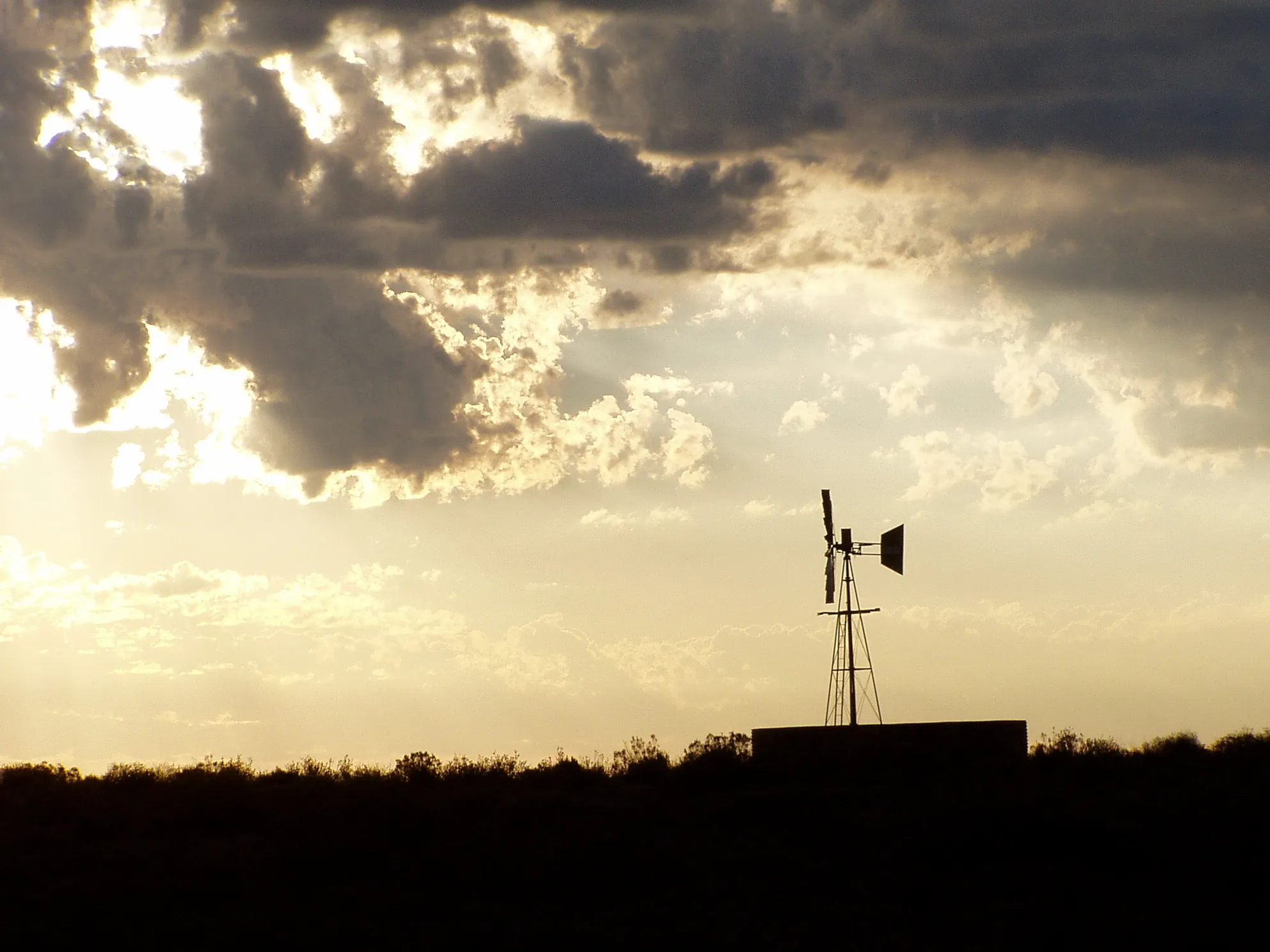
Selling a farm is not like selling a house in town. A Buyer for a Karoo farm is buying a working business and a piece of land that has to carry livestock or crops through dry years. In more than 15 years in the South African property market I have learnt that the farms that sell smoothly are the ones where the Seller has those answers ready before the first viewing.
This guide covers what to gather, how a farm is priced, and how I market farms across the Central Karoo and the Garden Route.
Start with the land: title deeds and diagrams
Many Karoo farms are made up of several portions bought over generations. Before marketing, collect:
- Title deeds for every portion included in the sale, so the Buyer and conveyancer know exactly what is being transferred.
- Surveyor-General (SG) diagrams showing the boundaries and extent of each portion. These settle questions about hectares and where a boundary fence should actually be.
- Servitudes and registered rights, such as rights of way, pipeline or power-line servitudes, and any water servitudes over a neighbour’s land.
- Leases, written or verbal, for grazing, cellphone masts, cottages or anything else. A Buyer needs to know what they inherit and when it ends.
If the deeds and the fences do not match, it is far better to find out now than halfway through transfer.
Water: the first question every Buyer asks
In the Central Karoo, water decides what a farm can do. Prepare as much detail as you can.
Boreholes
List every borehole with its location, depth if known, pump type (solar, wind or electric) and what it supplies. A recent yield test by a borehole contractor carries far more weight than “it has never run dry”. Water-quality results help too, especially where water is used for households or irrigation.
Water-use registration and licensing
Under the National Water Act, water use beyond small domestic and stock-watering use generally needs to be authorised, whether as an existing lawful use, under a general authorisation, or through a water-use licence. Registration with the Department of Water and Sanitation is also required for many uses. Find your registration certificates, licences and any correspondence. If you are unsure of your farm’s position, ask a water-law specialist before marketing rather than leaving it for the Buyer’s attorney to raise.
Irrigation scheduled rights
On irrigation farms, such as those along the Gamka River near Leeu-Gamka with Leeu-Gamka Irrigation Board water rights, the scheduled hectares and the water allocation attached to the land are central to the price. Have proof of the scheduled area, up-to-date board levies, and an explanation of how water is delivered and stored.
Grazing, camps and infrastructure
Grazing capacity
A livestock Buyer will want to know how many animals the farm can carry sustainably. Be realistic: the honest figure, with the stocking you have actually run over good and dry years, is more useful than an optimistic one. If you have had an agricultural adviser assess the veld, include that.
Camps and fencing
Describe the number of camps, the condition of boundary and internal fencing, and whether any of it is jackal-proof or game-fenced. Note watering points per camp. A simple farm map marked with camps, boreholes, dams and roads helps a Buyer enormously.
Infrastructure inventory
Make a list of fixed improvements: the main house, cottages, shearing shed, kraals, handling facilities, stores, workshops, dams, reservoirs, pipelines and power supply (Eskom connection, solar or both). Note the condition of each honestly.
What is included in the sale
Agree early on what goes with the farm and what stays with you, then put it in writing:
- Livestock: will the flock or herd be sold with the farm, sold separately, or removed? If included, give numbers, breed and class.
- Equipment and vehicles: tractors, bakkies, implements, pumps and tools.
- Movable assets: a separate inventory avoids disputes on handover day and helps a Buyer compare offers properly.
Clarity here also matters for tax, because a farm sold with everything needed to keep operating can be treated differently from bare land.
Compliance certificates
As with any sale, an electrical certificate of compliance is required for the electrical installations on the property, which on a farm can include several houses, sheds and pump installations. Depending on the farm, other certificates may apply, such as an electric fence system certificate where there is an electric fence, or a gas installation certificate where gas appliances are fitted. Your conveyancer will confirm what the sale agreement requires.
VAT, transfer duty and selling as a going concern
The tax treatment of a farm sale can make a large difference to both parties, so it needs proper advice.
If the Seller is a registered VAT vendor, the sale is generally subject to VAT at the standard rate of 15%. However, the sale of a farming enterprise as a going concern can be zero-rated if the conditions in the VAT Act are met. In short, both the Seller and the Buyer must be registered VAT vendors, they must agree in writing that the enterprise is sold as a going concern, the enterprise must be an income-earning activity on the date of transfer, and the assets needed to carry on that enterprise must be sold to the Buyer.
If the Seller is not a VAT vendor, the Buyer generally pays transfer duty instead. SARS publishes the current transfer duty rates and guidance on VAT.
Every farm sale is different. Speak to your tax adviser and the conveyancer before you sign, so the agreement is drafted correctly from the start.
How pricing a farm differs from pricing a house
A residential home is priced largely on comparable sales in the same suburb. A farm has few direct comparables, and no two are alike. When I prepare a Value Estimation for a farm, I look at:
- Productive capacity: grazing capacity, irrigable hectares and the water rights attached to them.
- Water: reliable borehole yields and authorised water use add real value; uncertainty takes it away.
- Infrastructure: fencing, camps, handling facilities and housing, and what it would cost a Buyer to fix what is worn.
- Location and access: distance from town, road condition and access to the N1 or N12.
- Recent farm sales in the district, adjusted for the differences between farms.
- Lifestyle appeal: views, a good farmhouse or a river frontage can draw a Buyer who is not purely farming.
Pricing a farm accurately from the start matters, because the pool of Buyers is smaller than for a house in town and a farm that sits overpriced becomes known in the district.
How I market farms
Farm Buyers come from neighbouring farmers, from other provinces and from abroad. My marketing for farms uses:
- Accurate pricing based on local market knowledge of the district.
- Professional photography of the land, water, infrastructure and homestead.
- Video that shows the farm’s layout and setting to Buyers who can’t visit yet.
- Property24 and Private Property listings.
- The Meridian Realty website and international digital marketing, using Meridian’s national and international digital reach.
- Social media campaigns aimed at Buyers interested in farms and the Karoo.
- My buyer database and referral network, including farmers and Buyers already looking in the area.
A clear information pack, with the deeds, diagrams, water details, inventories and farm map described above, goes to serious Buyers so they can make a properly informed offer. You can read more about the kinds of farms I sell on my farms page.
Thinking about selling your farm?
If you are considering selling a farm in the Central Karoo or the Garden Route, I would be glad to visit, walk the property with you and give you a free, no-obligation Value Estimation. Get in touch and we can talk through what your farm needs before it goes to market.
This guide is general information, not legal, tax or financial advice. Speak to a conveyancer, tax adviser or other qualified professional about your circumstances.